
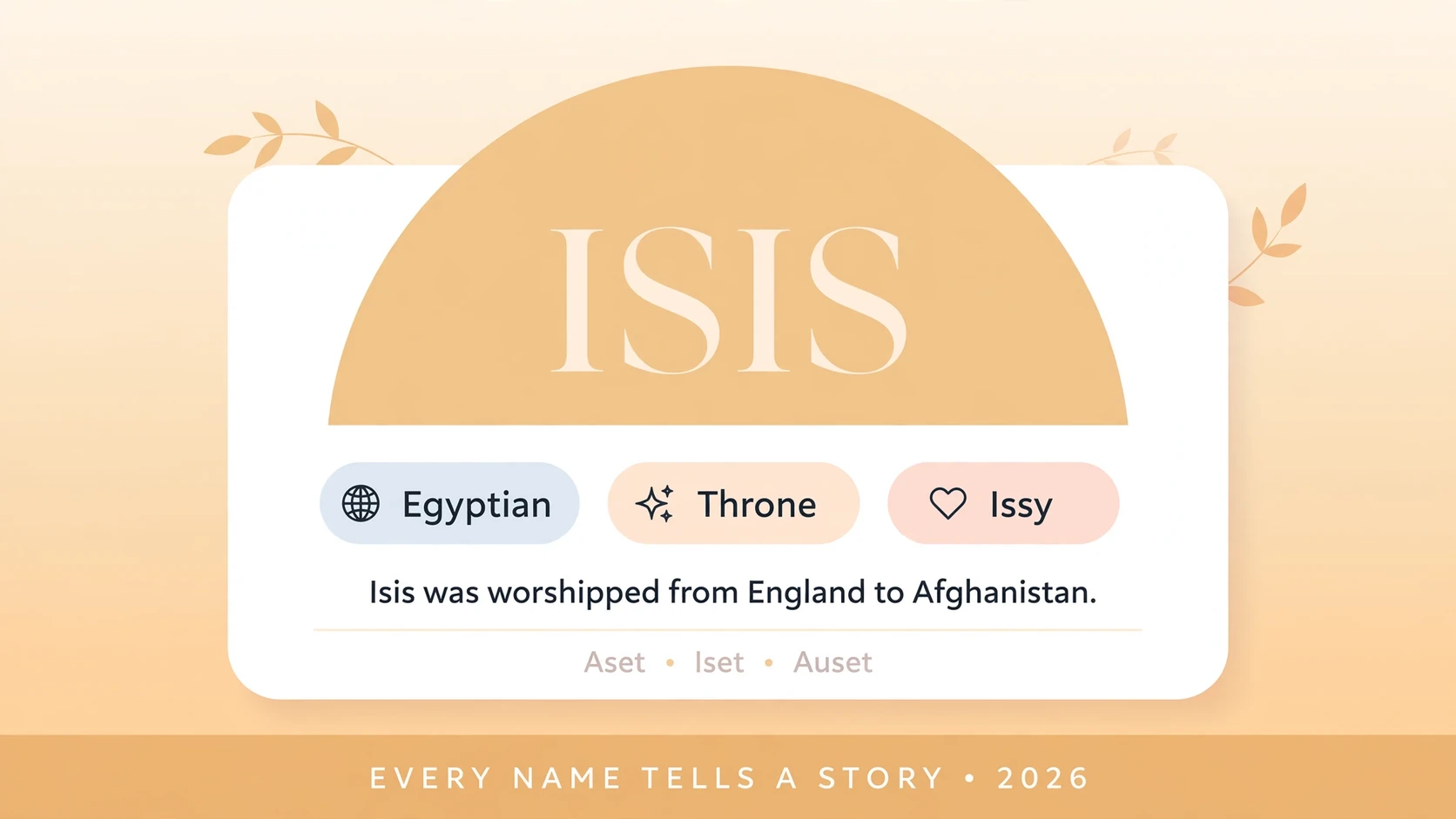
Egypt, where each goddess carried a clear role in daily life, from protection and motherhood to truth, music, and the wide night sky. The best known root is Aset, an Egyptian word linked to seat and throne, and it gives you Isis, the mother goddess whose crown once showed the throne itself.ancient Egypt, where each goddess carried a clear role in daily life, from protection and motherhood to truth, music, and the wide night sky. The best known root is Aset, an Egyptian word linked to seat and throne, and it gives you Isis, the mother goddess whose crown once showed the throne itself.and meanings come from ancient Egypt, where each goddess carried a clear role in daily life, from protection and motherhood to truth, music, and the wide night sky. The best known root is Aset, an Egyptian word linked to seat and throne, and it gives you Isis, the mother goddess whose crown once showed the throne itself.goddess names and meanings come from ancient Egypt, where each goddess carried a clear role in daily life, from protection and motherhood to truth, music, and the wide night sky. The best known root is Aset, an Egyptian word linked to seat and throne, and it gives you Isis, the mother goddess whose crown once showed the throne itself.
You will find soft sounds and strong stories side by side in this set, and that balance is part of the appeal. Some names feel light and musical, like Hathor and Bastet, while others feel calm and steady, like Maat and Nut. Each root below is given in plain English letters, so you can choose with confidence and say the name with ease.
Ten Goddesses Whose Names Still Carry Light and Strength
| Goddess | Meaning and Gift |
|---|---|
| Isis, from Aset | Throne, with magic, motherhood, and healing |
| Hathor, from Hut-Heru | House of Horus, with love, beauty, and music |
| Bastet | She of the ointment jar, with home and cats |
| Sekhmet | The powerful one, with war and healing |
| Nephthys, from Nebet-Het | Mistress of the house, with night and mourning |
| Nut | Sky, with stars, night, and shelter |
| Maat | Truth, with balance, justice, and harmony |
| Neith | Water and weaving, with war and wisdom |
| Wadjet | The green one, with protection and royalty |
| Mut | Mother, with nurture, queenship, and Thebes |
From Predynastic Shrines to Roman Temples in Aset and Hut-Heru
| Era | Development |
|---|---|
| Before 3100 BCE | Neith and Wadjet were honored in local shrines |
| Early Dynastic Period | Wadjet and Nekhbet stood as the Two Ladies |
| Old Kingdom | Hathor was a great mother, and Isis entered Pyramid Texts |
| Middle Kingdom | Bastet grew closer to Hathor in temple art |
| New Kingdom | Sekhmet and Mut rose in war, healing, and Thebes |
| Late Period | A great Isis temple rose at Behbeit el-Hagar |
| Greek Period | Aset became Isis, and Hut-Heru became Hathor |
| Roman Period | Isis worship spread from England to Afghanistan |
| Modern Revival | Isis, Bastet, and Hathor lead the modern list |
Aset, Bastet, and Hut-Heru as They Traveled Across Languages
| Variant | Culture | Spelling Nuance |
|---|---|---|
| Aset | Ancient Egyptian | Older form behind Isis, linked to throne |
| Iset | Ancient Egyptian | Common reconstruction, softer opening sound |
| Auset | Ancient Egyptian | Longer vowel form in modern name lists |
| Isis | Greek and Roman | Greek form that spread into English |
| Bast | Ancient Egyptian | Short form of Bastet, one strong syllable |
| Baset | Ancient Egyptian | Middle spelling, close to the temple name |
| Hut-Heru | Ancient Egyptian | Full form behind Hathor, house and Horus |
| Hathor | Greek and Roman | Softened form used in English books |
| Nebet-Het | Ancient Egyptian | Full form behind Nephthys, lady and house |
| Anukis | Greek | Greek form of Anuket, goddess of the Nile |
Cow Horns, Cat Heads, and Feathers in the Goddess Symbols
| Goddess | Symbol and Domain |
|---|---|
| Isis | Throne crown, magic, motherhood, and healing |
| Hathor | Cow horns and sun disk, love and music |
| Bastet | Cat head, home, fertility, and protection |
| Sekhmet | Lioness head, war, healing, and protection |
| Nephthys | Basket and house crown, night and the dead |
| Nut | Star covered body, sky, stars, and rebirth |
| Maat | Ostrich feather, truth, justice, and balance |
| Neith | Shield and arrows, weaving, war, and wisdom |
| Wadjet | Rearing cobra, royalty and Lower Egypt |
| Mut | Vulture headdress, motherhood and queenship |
How Isis Rose, Fell Back, and Stayed Rare in United States Records
| Period | Trend Note |
|---|---|
| Ancient Peak | Isis was the most loved goddess in Egypt |
| Greek and Roman Spread | Her cult moved with traders and travelers |
| Sixth Century CE | Her Philae temple closed under Justinian |
| Early Modern Use | Isis kept a learned, literary feel in English |
| Twentieth Century Rise | Isis gained steady use in the United States |
| Peak Year 2005 | Isis reached its highest United States popularity |
| Decline After 2013 | Use fell sharply, tied to unrelated news reports |
| Recent Years | Bastet, Hathor, and Sekhmet stay very uncommon |
| Today | Aset and Isadora offer lighter paths to the story |
Soft Short Forms That Keep the Goddess Story Close
| Nickname | Vibe | Best Fit |
|---|---|---|
| Issy | Bright and warm | Casual, for Isis at home and school |
| Isa | Calm and graceful | Nickname or stand alone name |
| Sisi | Playful and affectionate | Very casual, best for family use |
| Bast | Bold and sleek | Casual, striking, one syllable |
| Basti | Gentle and musical | Casual, softer way to shorten Bastet |
| Hattie | Sweet and joyful | Casual to classic, for Hathor |
| Hathi | Soft and lyrical | Casual, keeps the Hathor sound close |
| Nettie | Kind and warm | Casual, for Neith and Nephthys |
| Nuti | Airy and starry | Very casual, playful, suits Nut |
| Mati | Gentle and balanced | Casual and calm, suits Maat |
Kindred Egyptian Names That Share the Same Golden Air
| Name | Shared Quality and Difference |
|---|---|
| Isadora | Gift of Isis, longer and more formal |
| Aset | Egyptian root of Isis, rarer and distinctive |
| Nefertiti | Beautiful one has come, a queen, not a goddess |
| Cleopatra | Glory of the father, a ruler, use Cleo |
| Asenath | Belonging to Neith, soft and storied |
| Anuket | To embrace, Nile goddess, gentle and rare |
| Seshat | Writing and wisdom, quiet and scholarly |
| Taweret | Great one, childbirth, bold and warm |
| Heqet | Frog goddess, fertility, short and distinctive |
| Tefnut | Moisture and rain, early and airy |
Middle Names and Sibling Sets That Flow Like the Nile
- Isis Rose, where a flower name softens the strong goddess sound
- Hathor Mae, where a short middle lets the musical name shine
- Bastet Lily, where a gentle flower balances the bold cat sound
- Sekhmet Jane, where a steady middle grounds a powerful name
- Nephthys Claire, where a bright middle lifts a long name
- Nut Aurora, where a dawn name echoes the sky goddess
- Maat Elise, where a smooth middle matches calm balance
- Neith Wren, where a bird name adds lightness to wisdom
- Isis and Horus, a brother set from the same beloved story
- Hathor and Bastet, a sister set of joy and music
From Throne Crowns to Cat Guardians in the Old Stories
You can picture Isis first by her crown, because the throne sign on her head tells her story before a single word is spoken. She searched for Osiris, protected Horus, and used wit and magic to guard her family, and that mix of tenderness and resolve still draws parents today. Hathor offers a softer counterpoint, with cow horns, a sun disk, and a rattle in her hand, and her temples rang with music, dance, and joy.
Bastet and Sekhmet show you two sides of feline power in one family of stories, and the contrast helps you choose with care. Bastet grew from a lioness image into a domestic cat goddess of home and fertility, while Sekhmet kept the lioness head for war and healing. If you love warmth and play, Bastet may suit your home, and if you love courage with a healing heart, Sekhmet may speak to you more.
Why Aesthetic Egyptian Goddess Names and Meanings Still Feel Fresh Today
These names feel fresh because they join an ancient story to a clean modern sound, and most are short enough to say in one breath. Isis, Nut, Maat, and Mut move easily in English, while Hathor and Bastet add music without adding fuss. You do not need a long explanation for a listener to sense beauty, strength, and history in the sound alone.
The look matters too, and that is where the word aesthetic earns its place in your search. Gold, lapis blue, soft sand, and deep green sit naturally beside these names, and temple art gives you stars, cats, feathers, and sun disks for a nursery. A name from this set can shape a whole room, a birth announcement, and a story you tell your child as she grows.
Choosing a Soft Sound with a Strong Story Behind It
Say each favorite out loud with your last name, and listen for a smooth landing rather than a clash of hard sounds. Isis pairs well with longer last names, Hathor loves a short last name, and Bastet sounds best when the last name starts with a soft consonant. Try the full name in a calm voice, then in a playground call, and trust the version that still feels kind.
Take care with Isis in particular, and talk it through as a family before you commit. The goddess story is beautiful and ancient, and it has no link to the militant group that used the same letters in recent news reports. Some parents still choose Isis with pride, some choose Aset or Isadora instead, and some save Isis for a middle name, and each path honors the same history in its own way.
A Gentle Way to Pair, Shorten, and Spell the Name You Love
A middle name can soften a bold goddess name or lift a quiet one, and the list above gives you pairs that keep rhythm and meaning in balance. Rose, Mae, Claire, and Elise all leave room for the first name to lead, while Aurora and Wren add a second image from sky and nature. Choose a middle name you love on its own, so your child has two good names to grow into.
For spelling, keep the form you can explain in one short sentence, and keep nicknames ready for school and family life. Aset needs a little more explaining than Isis, Hathor is clearer than Hut-Heru for daily use, and Bastet is clearer than Bast for a birth certificate. Write the name down, say it to a friend, and pick the spelling that comes back sounding just as you hoped.
Questions Parents Ask About Egyptian Goddess Names
Does Aset mean the same as Isis, and which spelling should I use?
Aset is the older Egyptian form linked to throne, Isis is the Greek form, and Isis is easier in English while Aset feels closer to the ancient root.
Is Bastet a good everyday name, or is it too bold for a little girl?
Bastet works well with Basti or Bast as a nickname, and the cat goddess story gives it warmth, protection, and playfulness for daily life.
Why did Isis become less common after 2013?
Use fell sharply after 2013 because news reports used the same spelling for a militant group, even though the goddess and the group have no connection at all.
What does Hathor mean, and why is she linked to Horus?
Hathor comes from Hut-Heru, meaning house of Horus, and she was honored as mother, nurse, and joyful protector in the Horus story.
Can Wadjet work as a modern name, and what does it carry?
Wadjet means the green one and carries cobra protection and royalty, and it suits parents who love a rare name with a strong Lower Egypt story.